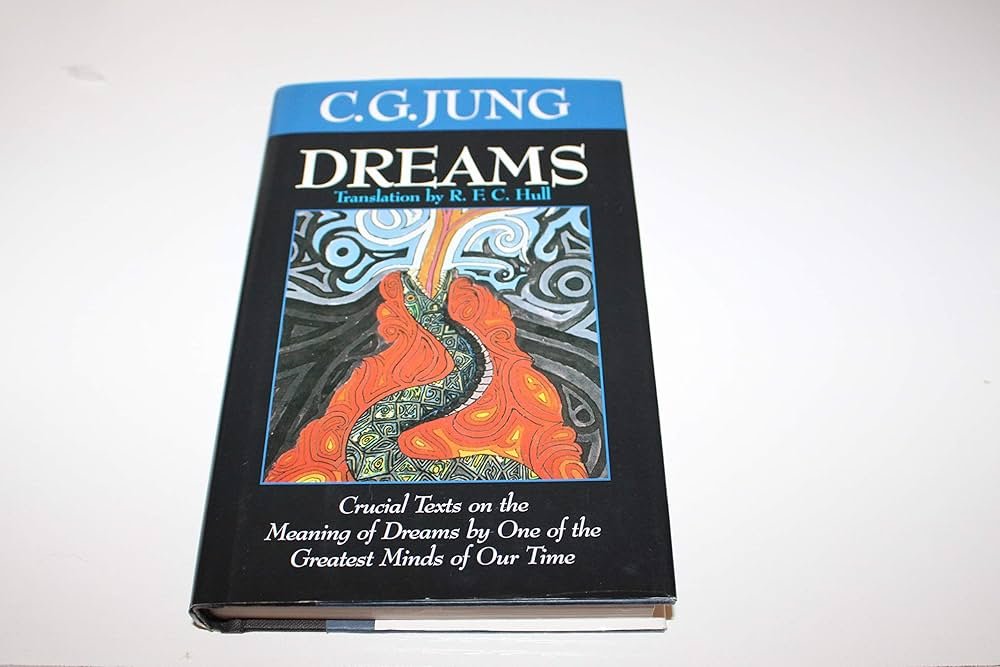
Ever wake up from a dream and feel like you've just watched a movie directed by your own subconscious? You're not alone. And if you're looking for a deeper understanding of those strange nocturnal narratives, [carl jung dream interpretation] offers a powerful lens. Unlike some approaches that focus solely on surface-level symbols, Jung's method dives into the depths of the psyche, seeking to integrate the conscious and unconscious aspects of your being.
At a Glance
- Carl Jung viewed dreams as a window into the unconscious mind, providing insights into your personality and path to wholeness.
- His approach emphasizes personal symbolism and the dreamer's own associations, rather than relying on universal dream dictionaries.
- Key concepts include archetypes, the collective unconscious, individuation, and the shadow self.
- Jungian dream analysis is a process of exploration and self-discovery, often involving journaling, creative expression, and self-reflection.
- While powerful, dream interpretation can bring up difficult material, so proceed mindfully or with the help of a trained Jungian analyst.
Jung's Departure from Freud: A Different Dream Landscape
While Sigmund Freud saw dreams as wish fulfillment in disguise, Carl Jung believed they were much more. Jung considered dreams to be a compensatory mechanism, balancing out the conscious mind's one-sided view of reality. Dreams, he argued, reveal aspects of ourselves we might ignore or repress during our waking hours. This is a core difference when comparing [carl jung dream theory] with that of his mentor.
Think of it this way: if you're always focused on being strong and in control, your dreams might show you your vulnerable side. Or if you tend to be overly optimistic, your dreams might highlight potential problems you're overlooking.
Key Concepts in Jungian Dream Analysis
To truly grasp [jungian dream analysis], it's helpful to know the key concepts that underpin it. These aren't just abstract ideas; they are the building blocks of Jung's understanding of the human psyche.
The Collective Unconscious: Humanity's Shared Reservoir
Imagine a vast, universal library filled with the accumulated wisdom and experiences of all humanity. That's essentially the collective unconscious. It's a shared, inherited layer of the unconscious mind containing universal patterns and symbols known as archetypes.
Archetypes: Universal Patterns of Behavior
Archetypes are primordial images and patterns of behavior that reside in the collective unconscious. They manifest in our dreams, myths, and stories, influencing how we perceive the world and interact with others. Examples include:
- The Persona: The mask we present to the world, often concealing our true selves.
- The Shadow: The dark, repressed aspects of our personality, containing both negative qualities and untapped potential.
- The Anima/Animus: The feminine aspect of the male psyche (anima) and the masculine aspect of the female psyche (animus).
- The Self: The central archetype representing wholeness and integration of the personality.
These archetypes aren't static entities but rather dynamic forces that shape our experiences. As you might guess, [unlocking your Jungian Dreams] often involves dealing with these powerful forces.
Individuation: The Path to Wholeness
Individuation is the central goal of Jungian psychology: the lifelong process of integrating the conscious and unconscious aspects of the personality to achieve psychological wholeness. Dreams play a crucial role in this process, providing guidance and insight along the way.
It's about becoming your true self, not just the person you think you should be. This journey often involves confronting your shadow self, integrating your anima/animus, and ultimately aligning with your Self.
The Shadow: Embracing Your Dark Side
The shadow is arguably one of the most important concepts in [jung-dream-theory]. It represents the repressed or disowned aspects of your personality – the traits you deem unacceptable or undesirable. It can manifest in dreams as a dark figure, a monster, or someone you dislike.
But here's the key: the shadow isn't all bad. It also contains untapped potential, creativity, and instinctual energy. Integrating your shadow involves acknowledging and accepting these disowned aspects of yourself, rather than projecting them onto others.
How to Approach Jungian Dream Interpretation: A Practical Guide
So, how do you actually interpret your dreams using Jung's method? Here's a step-by-step approach.
- Record Your Dreams Immediately: Keep a dream journal by your bed and write down your dreams as soon as you wake up, even if they seem fragmented or nonsensical. Include as much detail as possible: setting, characters, emotions, and any specific images that stand out.
- Identify Key Symbols and Images: What are the most striking elements of your dream? What emotions did they evoke? Don't jump to conclusions about their meaning just yet.
- Amplify the Symbols: This is where Jung's method really shines. Instead of consulting dream dictionaries, explore your personal associations with each symbol. What does a particular image or object mean to you? Let your mind wander and write down everything that comes to mind. This is different from simply making associations. Amplification involves delving into the cultural, historical, and mythological context of a symbol to uncover deeper layers of meaning.
- Connect to Your Current Life: How do the dream symbols relate to your current experiences, relationships, and challenges? Are there any parallels between the dream narrative and your waking life?
- Look for the Dream's Message: What is the dream trying to communicate to you? What aspects of yourself or your life are being highlighted? Don't interpret the dream literally; look for the underlying message or insight.
- Consider the Dream's Structure: Jung believed that dreams often follow a predictable structure: exposition (setting the scene), development (introducing conflict), culmination (the climax), and lysis (resolution). Understanding this structure can help you identify the dream's core message.
The Stages of a Dream According to Jung
Jung outlined a general structure of dreams, helping to navigate their meaning:
- Exposition: This sets the stage, introducing the setting, characters, and overall atmosphere.
- Peripetia: Here, the plot thickens. Tension and conflict arise, and the dream starts to develop its central theme.
- Culmination/Lysis: This is the climax or turning point of the dream, where the conflict reaches its peak and a potential resolution emerges.
Subjective vs. Objective Interpretation: Who's in Your Dream?
When interpreting dream symbols, Jung emphasized two levels of interpretation:
- Subjective Level: The symbols represent aspects of yourself. For example, if you dream about your mother, it may not be literally about your mother, but rather a representation of your own nurturing qualities. This subjective approach is often favored in [jung interpretation of dreams].
- Objective Level: The symbols represent actual people or situations in your external world.
While both levels can be valuable, Jung generally favored the subjective approach, as it focuses on self-discovery and personal growth.
Common Dream Symbols and Their Jungian Interpretations
While Jung cautioned against relying solely on universal symbol interpretations, certain symbols do appear frequently in dreams and tend to have common themes:
- Water: Represents the unconscious, emotions, and the flow of life.
- Animals: Represent instincts, primal urges, and different aspects of your personality.
- Houses: Represent the self, with different rooms symbolizing different aspects of your psyche.
- Journeys: Represent the process of individuation and the path to self-discovery.
- The Shadow Figure: Represents the repressed or disowned aspects of your personality.
Remember, the most important thing is to explore your personal associations with each symbol. Consider [Jungs Dream Symbols Explained] with your own experiences in mind.
Dreams as Compensation: Balancing Your Psyche
One of Jung's key insights was that dreams often serve as a compensatory function, balancing out the conscious mind's one-sided view of reality. If you're overly focused on logic and reason, your dreams might be filled with emotions and intuition. Or if you tend to be overly optimistic, your dreams might highlight potential problems you're overlooking.
This compensatory function can be incredibly valuable, helping you to develop a more balanced and integrated personality.
The Importance of Context: Your Personal Mythology
To truly understand your dreams, you need to consider the context of your own life, experiences, and personal mythology. What are your values, beliefs, and relationships? What are your current challenges and aspirations?
Your dreams are speaking to you, not to some abstract ideal. The more you understand yourself, the better equipped you'll be to decipher their messages. Always record as much detail as possible, as it may be relevant: [carl jung dream analysis] calls for careful consideration of context.
When to Seek Professional Help
While self-analysis can be a powerful tool, dream interpretation can also bring up difficult or disturbing material. If you're struggling to understand your dreams, or if they're causing you significant distress, it's important to seek professional help from a qualified Jungian analyst or therapist. Remember that [jungian dream interpretation], while insightful, requires careful consideration.
Integrating Dreamwork into Your Life: Beyond Interpretation
Dream interpretation isn't just about understanding your dreams; it's about integrating their messages into your daily life. Here are some ways to do that:
- Journaling: Continue to record and reflect on your dreams regularly.
- Creative Expression: Use your dreams as inspiration for writing, painting, music, or other forms of creative expression.
- Meditation: Meditate on the symbols and themes that emerge from your dreams.
- Active Imagination: Engage in active imagination, a Jungian technique that involves consciously interacting with dream figures and symbols.
Common Misconceptions about Jungian Dream Interpretation
Let's clear up some common misunderstandings surrounding Jung's approach to dreams:
- Misconception: Dream dictionaries are the key to understanding your dreams.
- Reality: While dream dictionaries can provide some general ideas, Jung emphasized the importance of personal associations and context.
- Misconception: All dreams are symbolic and need to be interpreted.
- Reality: Some dreams may be simple reflections of daily events or physical sensations.
- Misconception: Dream interpretation is a quick and easy process.
- Reality: It's a journey of self-discovery that requires patience, persistence, and a willingness to explore the depths of your unconscious.
Turning Dream Insights into Action: Living a More Authentic Life
Ultimately, [carl jung dreams] are not just about understanding yourself better; they're about living a more authentic and fulfilling life. By integrating the insights from your dreams into your conscious awareness, you can make more conscious choices, develop healthier relationships, and move closer to becoming your true self. The goal is to identify conscious attitudes that the dream is compensating for. By actively engaging with your dreams, you embark on a path of self-discovery and transformation, unlocking hidden potentials and embracing a more complete version of yourself.
- carl jung dream interpretation
- jungian dream analysis
- carl jung dreams
- carl jung dream theory
- carl jung dream analysis
- jung dream theory
- jung dreams
- jung dream analysis
- jungian dream interpretation
- carl jung dream symbols list
- dream symbols jung
- jung interpretation of dreams
- jungian dream theory
- carl jung dream interpretation theory